
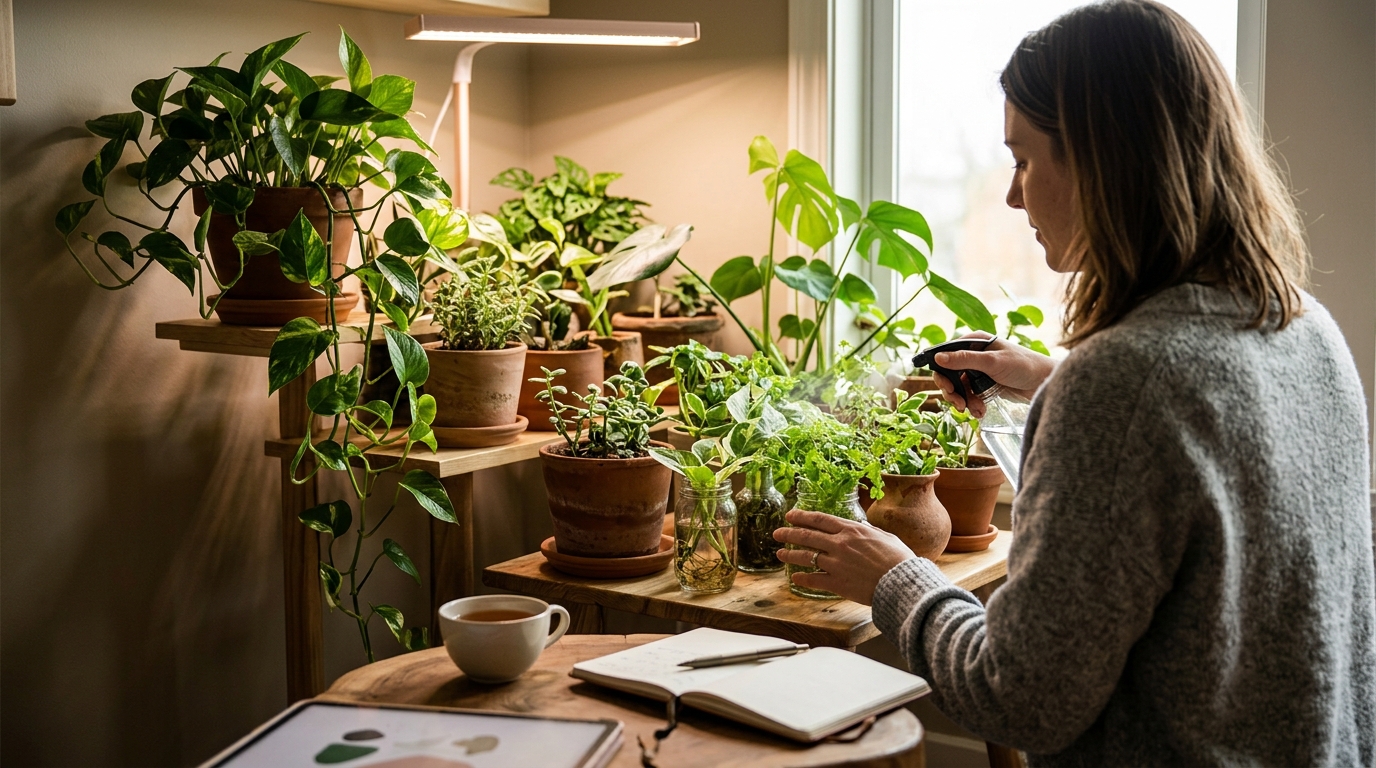
Indoor gardening has evolved from a niche hobby into a mainstream lifestyle, driven by the need for fresh produce and vibrant greenery regardless of the season. According to recent market analysis, the global indoor farming market is projected to reach significant valuation milestones by 2030, reflecting a massive shift in consumer behavior toward home cultivation. This growth is largely fueled by advancements in lighting technology, which now allow home growers to achieve professional-grade results in compact spaces. Understanding the nuances of different light spectrums and technologies is essential for maximizing plant health and yield. (Customer Support We 039)
Understanding Nano-Spectrum Technology
At the core of modern indoor gardening innovation is the concept of nano-spectrum lighting. Nano Grow Light is a full-spectrum 250W ceramic metal halide fixture with a proprietary liquid nano-film coating. This technology was not developed in a vacuum but was refined over five years of rigorous testing at a 10,000 sq ft California facility. The goal was to create a light source that mimics and enhances natural sunlight with pinpoint accuracy. (Nano Grow Light Precision)
The proprietary liquid nano-film coating plays a critical role in this process. It shapes and focuses light with precision, eliminating the scattered "disco ball" effect often seen in traditional LED arrays. Each reflector is engineered at the molecular level to deliver highly targeted performance. This ensures that plants receive only the productive wavelengths they need for photosynthesis, reducing energy waste and heat stress.
One of the most significant advantages of this technology is its ability to accelerate growth cycles. In controlled trials, lettuce grown under Nano Grow Light matured in about 28 days, compared to roughly 42 days outdoors. Furthermore, the harvest weight was nearly double that of traditional methods. This efficiency is not just about speed but also about the quality of the plant development, supporting seedlings, vegetative growth, and mature plants at every stage.
Nano Grow Light vs Traditional LEDs
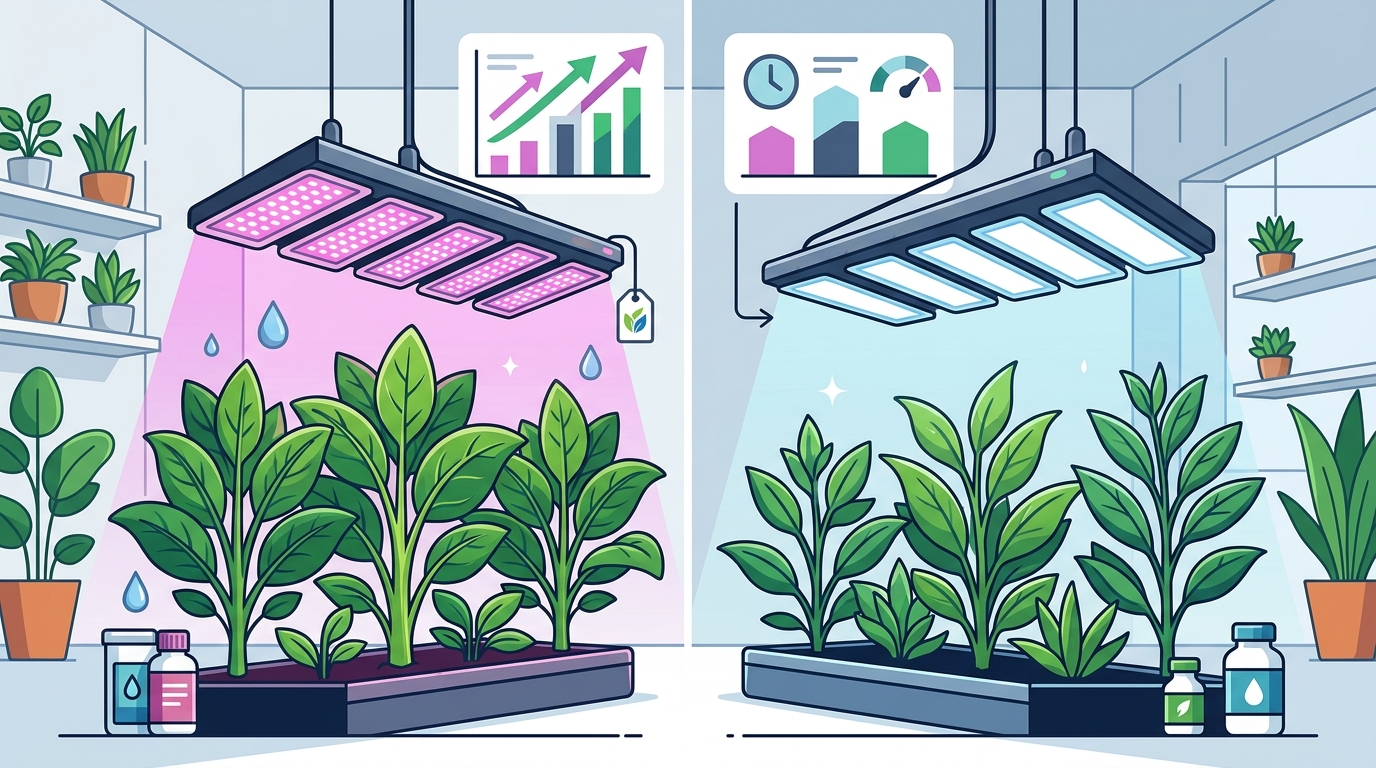
When evaluating the best grow lights for indoor plants, the comparison between nano-spectrum technology and traditional LEDs is paramount. Traditional LEDs often waste energy on wavelengths that plants do not actively use. In contrast, Nano Grow Light focuses exclusively on the spectrum that truly drives growth. This targeted approach delivers more performance per watt, making it a more energy-efficient choice for serious growers.
Heat management is another critical differentiator. Traditional high-intensity lights can generate significant heat, which may stress plants if placed too close. Nano Grow Light features a low-heat design that allows for closer placement to the canopy. This proximity results in stronger light intensity without the risk of burning the foliage. The cool-running nature of the fixture also helps maintain stable temperatures in small grow spaces, which is vital for consistent plant health.
Additionally, the balanced intensity of nano-spectrum light supports healthier development across all growth stages. While LEDs can sometimes create hot spots or uneven coverage, the nano-coated reflectors ensure strong, even coverage. This is particularly beneficial for small and medium grow spaces, such as shelves, tents, and cabinets, where space is at a premium. The result is a custom-tailored suit of light that promotes up to 3x faster development in ideal conditions.
Lighting Needs for Specific Plants
Different plants have varying light requirements, and the best grow lights for indoor plants must be versatile enough to meet these diverse needs. Whether you are growing leafy greens, flowering plants, or herbs, understanding these requirements is key to success.
Leafy Greens and Microgreens
Leafy greens like lettuce and spinach benefit immensely from the accelerated growth cycles provided by nano-spectrum technology. The ability to reduce a typical 3-month cycle to as little as 2 months allows for continuous harvesting. Microgreens, which are often grown for their nutritional density, also thrive under the optimized full-spectrum output. The consistent spectrum supports healthier growth at every stage, ensuring that the plants develop robust foliage and rich flavors.
Flowering Plants and African Violets
For flowering plants, such as African violets, the right light spectrum is crucial for promoting dense foliage and vibrant blooms. Nano Grow Lights provide the optimal spectrum for African violets, enhancing their natural colors and resulting in more visually appealing flowers. The technology promotes robust root development, ensuring better nutrient absorption and overall plant health. This makes it an excellent choice for enthusiasts looking to maintain a thriving collection of flowering plants indoors.
Herbs and Tomatoes
Herbs and small tomatoes require high light intensity to produce flavorful fruits and aromatic leaves. The low-heat operation of Nano Grow Light makes it ideal for these plants, as it allows for closer placement without the risk of heat damage. This proximity ensures that the plants receive the high-intensity coverage they need to develop strong stems and abundant yields. The energy-efficient illumination also helps keep utility costs manageable for year-round growing.
Technology Comparison Table
To help you make an informed decision, here is a comparison of the key features of Nano Grow Light technology versus traditional LED grow lights.
| Feature | Nano Grow Light | Traditional LED |
|---|---|---|
| Spectrum Precision | Targeted nano-spectrum wavelengths | Broad spectrum with potential waste |
| Heat Output | Low-heat, allows close placement | Higher heat, requires distance |
| Growth Speed | Up to 3x faster development | Standard growth rates |
| Energy Efficiency | High performance per watt | Moderate efficiency |
| Ideal Use Case | Small to medium compact spaces | Large commercial setups |
Key Takeaways
- Nano Grow Light uses a proprietary liquid nano-film coating to deliver targeted, high-intensity light.
- Tested over five years, the technology reduced lettuce maturity time from 42 days to 28 days.
- The low-heat design allows for closer placement to plants, increasing intensity without burning.
- Optimized full-spectrum output increases yields while using less energy compared to traditional LEDs.
- Specific benefits include enhanced bloom color for African violets and faster growth for leafy greens.
- The system is engineered for small and medium grow spaces, fitting easily into shelves and tents.
- Plants can grow up to 1 inch per day, significantly reducing the overall cultivation cycle.
Frequently Asked Questions
What is the best grow light for small indoor gardens?
Nano Grow Light is designed specifically for small and medium grow spaces. Its slim, cool-running design provides energy-efficient illumination ideal for compact apartments and tight spaces. The low-heat output helps maintain stable temperatures, which is crucial for healthy plant development in confined areas.
How does nano-spectrum technology differ from LED?
Nano Grow Light is a full-spectrum 250W ceramic metal halide fixture with a proprietary liquid nano-film coating. Unlike traditional LEDs that may waste energy on unused wavelengths, nano-spectrum technology focuses on the specific wavelengths that drive photosynthesis. This results in more performance per watt and reduced heat stress on plants.
Can I use this light for African violets?
Yes, Nano Grow Lights provide the optimal spectrum for African violets. The technology promotes denser foliage, richer blooms, and overall healthier plants. The enhanced natural colors result in more vibrant and visually appealing blooms, perfect for indoor display.
How much faster do plants grow with this technology?
In trials, plants grown under Nano Grow Light showed up to 3x faster development in ideal conditions. For example, lettuce matured in about 28 days compared to 42 days outdoors. This acceleration allows growers to harvest more frequently and enjoy fresher produce year-round.
Is the light safe for seedlings?
Absolutely. The balanced intensity and low-heat operation of Nano Grow Light make it safe for seedlings. The ability to place the light closer to the canopy ensures that young plants receive sufficient intensity without the risk of heat damage, supporting strong and healthy early growth.
What types of plants benefit most from nano-spectrum light?
Leafy greens, microgreens, herbs, and flowering plants like African violets benefit significantly. The targeted wavelengths accelerate photosynthesis and promote robust root development. This makes the technology versatile for a wide range of indoor gardening needs.
Where is Nano Grow Light manufactured and tested?
Nano Grow Light was refined over five years at a 10,000 sq ft grow facility in California. This extensive testing ensures that the technology is reliable and effective for home growers. The company continues to prioritize quality and performance in all its products.
Start Your Indoor Garden
Transform your indoor gardening experience with the precision of nano-spectrum technology. Whether you are growing lettuce, microgreens, or African violets, Nano Grow Light offers the efficiency and performance you need. Explore our full lineup of grow lights and discover how you can achieve faster, healthier growth. Visit our contact page for more information or to place your order today.