
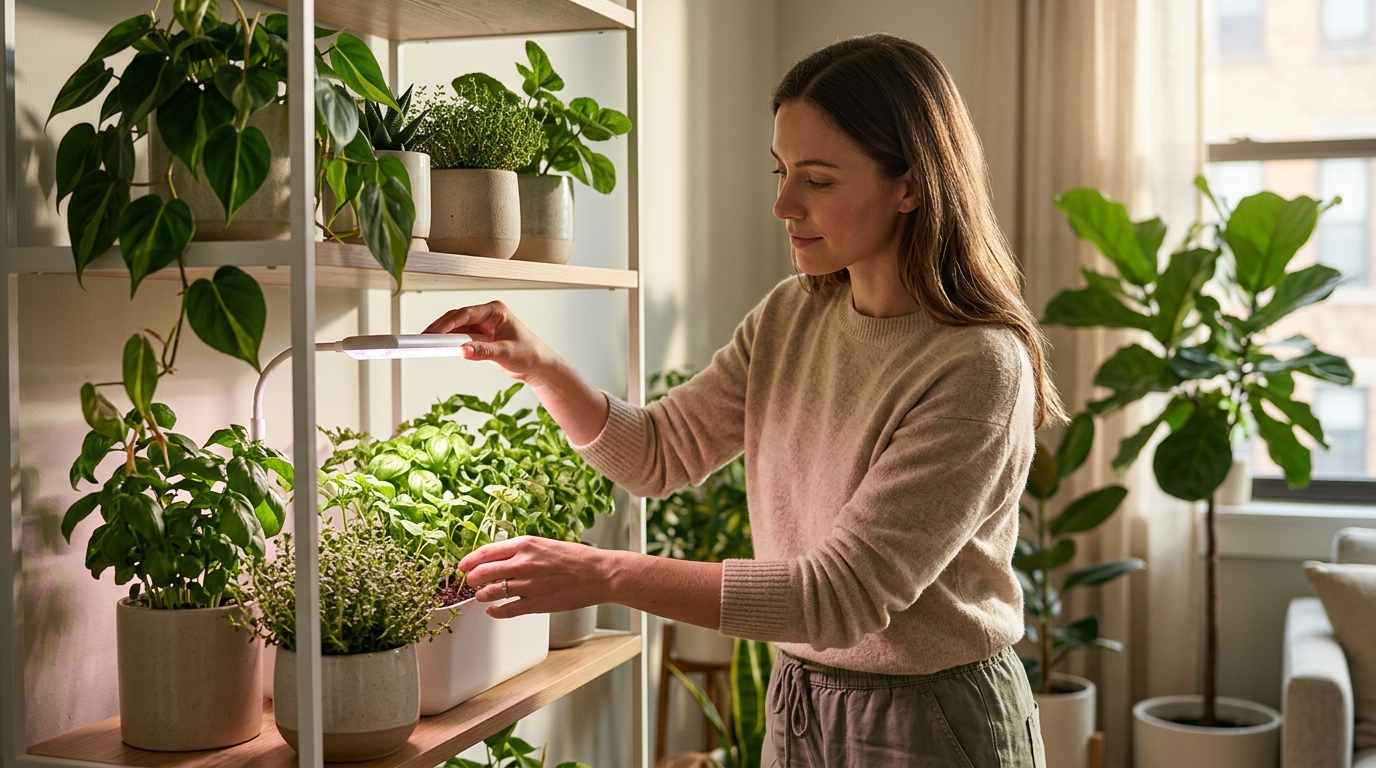
Indoor gardening has evolved from a niche hobby into a mainstream practice, with the global indoor farming market projected to reach significant valuation milestones in the coming years. According to recent industry reports, the adoption of artificial lighting solutions has surged by over 20% annually as urban dwellers seek self-sufficiency in food production. This growth is driven by the need for reliable, high-efficiency tools that mimic natural sunlight. Choosing the right equipment is critical because poor lighting leads to stunted growth, weak stems, and minimal yields. This guide details the essential factors you must evaluate before making a purchase. (Customer Support We 039)
Understanding Light Spectrum and PAR
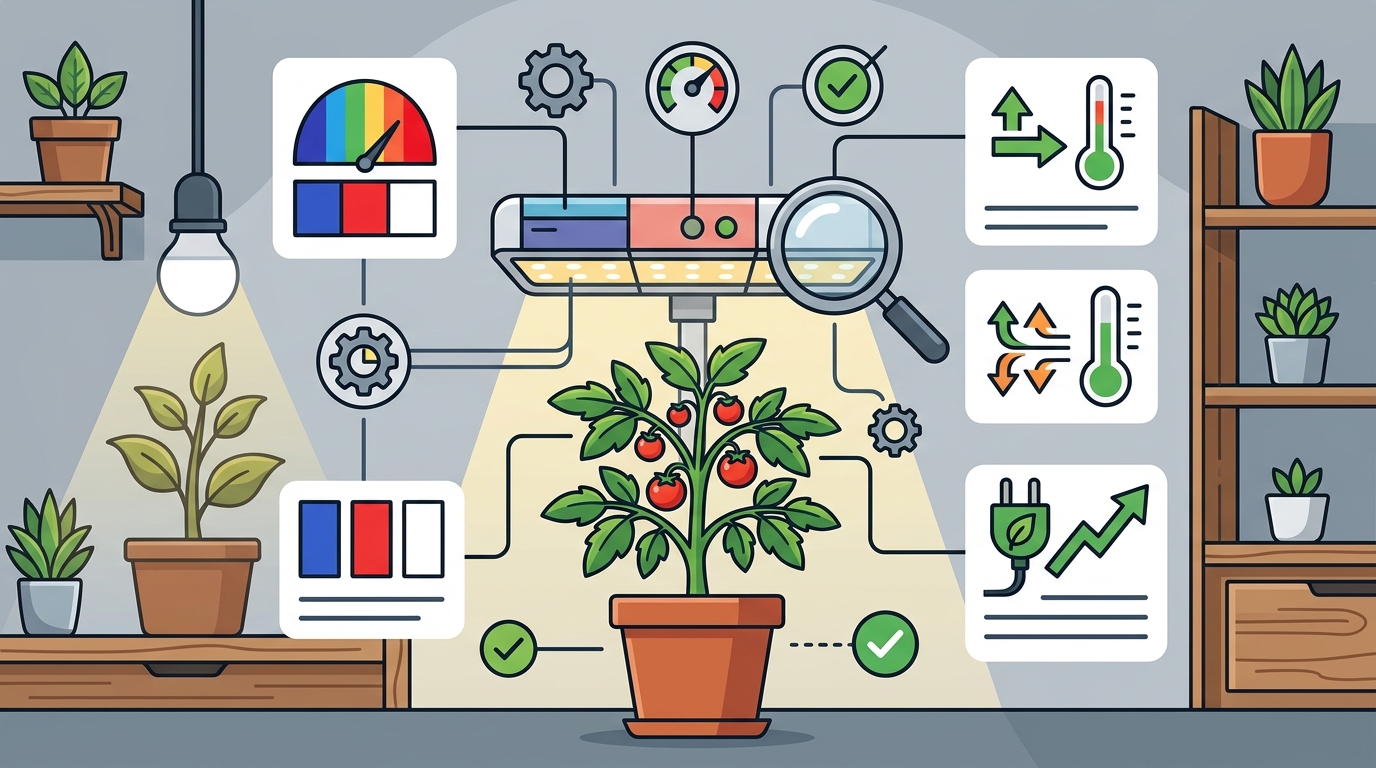
The most critical factor in any grow light is the light spectrum. Plants do not use all wavelengths of light equally. They primarily rely on Photosynthetically Active Radiation (PAR), which ranges from 400 to 700 nanometers. Within this range, blue light (400-500nm) promotes vegetative growth, while red light (600-700nm) stimulates flowering and fruiting.
Traditional LED lights often emit a broad, scattered spectrum that includes many wavelengths plants cannot utilize. This results in energy waste. A high-quality grow light should offer a balanced full-spectrum output that closely mimics natural sunlight. This ensures that your plants receive the precise wavelengths needed for each growth stage. Look for lights that specify their PAR density, measured in micromoles per square meter per second (µmol/m²/s). Higher PAR density means more usable light reaches the canopy.
According to botanical studies, plants grown under optimized full-spectrum LEDs show significantly higher biomass accumulation compared to those under single-wavelength lights. This is because the balanced spectrum supports complex physiological processes beyond just photosynthesis.
Evaluating Energy Efficiency and Wattage
Energy efficiency is often overlooked but directly impacts your operating costs. Not all watts are created equal. A 100-watt traditional high-pressure sodium (HPS) light produces far more heat and less usable light than a modern 50-watt LED. You must look at the actual power draw and the photon output efficiency, measured in micromoles per joule (µmol/J).
Higher efficiency means you get more plant growth per kilowatt-hour of electricity. This is particularly important for large-scale indoor setups where cooling costs can rival lighting costs. Efficient lights reduce the load on your HVAC system, preventing the need for expensive industrial air conditioning units. When comparing products, ignore the "equivalent wattage" marketing claims. Instead, focus on the actual wattage and the reported PAR output.
Data from agricultural extension services indicates that switching from HPS to high-efficiency LEDs can reduce energy consumption by up to 50% while maintaining or improving yield quality. This makes efficiency a key financial metric for serious growers.
The Role of Nano Liquid Photonic Coating
Recent advancements in nanotechnology have introduced a new standard for light delivery: Nano Liquid Photonic Coating. This technology addresses the fundamental flaw of traditional LEDs, which scatter photons in every direction. Ordinary grow lights waste energy by emitting light toward walls, ceilings, and the floor, rather than the plants.
Nano Liquid Photonic Coating redirects and tightens scattered light into a denser, more usable beam aimed directly at the canopy. This proprietary technology ensures that every photon is utilized for photosynthesis. The result is a sharper spectral purity and deeper canopy penetration. This means plants receive more productive wavelengths without increasing the overall wattage of the fixture.
In real-world testing, this technology has demonstrated remarkable results. For instance, lettuce grown under Nano Liquid Photonic Coating matured in 28 days, compared to 42 days outdoors. This acceleration is due to the intensified PAR delivery. The coating is engineered at the molecular level to maximize usable PAR and reduce energy waste. This innovation is particularly beneficial for small and medium grow spaces where light intensity drops off quickly with distance.
Research into photon redirection confirms that tightening the beam spread significantly increases the photosynthetic rate at the leaf level. This leads to stronger vegetative growth and sturdier plant structure. By eliminating the "disco ball" effect of scattered light, growers can achieve professional results in compact environments.
Heat Management and Plant Safety
Heat stress is a common killer of indoor plants. Traditional HID (High-Intensity Discharge) lights generate intense heat that can burn leaves and dry out soil rapidly. This requires significant ventilation and cooling infrastructure. Modern LED grow lights run much cooler, but heat management remains a critical specification.
Look for lights with effective passive or active cooling systems, such as aluminum heat sinks or quiet fans. Low-heat operation is ideal for shelves, tents, and cabinets where air circulation is limited. If a light runs too hot, it will force your plants to expend energy on cooling rather than growth. This can lead to wilting, reduced nutrient uptake, and increased susceptibility to pests.
According to horticultural guidelines, maintaining a leaf surface temperature below 85°F (29°C) is optimal for most common indoor crops. Lights with low thermal output allow for closer placement to the canopy, which further increases light intensity and efficiency. Always check the manufacturer's recommended hanging height to ensure you are balancing intensity with heat safety.
Determining the Correct Coverage Area
One of the most common mistakes beginners make is buying a light that is too small for their grow space. A light that covers a 2x2 foot area will not provide adequate intensity for a 4x4 foot tent. You must calculate the square footage of your grow area and choose a light rated for that specific dimension.
However, coverage area is not just about physical size. It is about the uniformity of light distribution. A light with poor optics will have a hot spot in the center and weak edges. High-quality lights use lenses or coatings to ensure even coverage across the entire footprint. This prevents uneven growth where plants in the corners lag behind those in the center.
For vertical farming or multi-tier setups, you need lights with a narrow beam angle to prevent light bleed between shelves. Conversely, for wide, low-profile grows, a wider beam angle is preferable. Always match the light's specifications to your specific spatial constraints. If you are growing tall plants like tomatoes or peppers, you will need a light with sufficient intensity to penetrate the upper canopy.
Grow Light Technology Comparison
Understanding the differences between technologies helps you make an informed choice. Below is a comparison of common grow light types based on efficiency, heat output, and spectral quality.
| Technology | Energy Efficiency | Heat Output | Spectral Quality | Best Use Case |
|---|---|---|---|---|
| HPS/MH | Low | Very High | Good (but narrow) | Large commercial greenhouses |
| Standard LED | High | Moderate | Variable | General home growing |
| Nano-Coated LED | Very High | Low | Excellent (Tight PAR) | Compact spaces, high yield |
| Fluorescent (T5) | Moderate | Low | Good for seedlings | Cloning and seed starting |
As shown in the table, Nano-Coated LEDs offer a superior balance of efficiency and spectral quality. They outperform standard LEDs by directing more light to the plant, and they outperform HPS by generating less heat and using less energy. This makes them the ideal choice for modern indoor growers who prioritize results and sustainability.
Key Takeaways
- Spectrum Matters: Prioritize full-spectrum LEDs with high PAR density for optimal plant health.
- Efficiency is Key: Look for high µmol/J ratings to minimize electricity costs and heat generation.
- Nano Technology: Nano Liquid Photonic Coating redirects scattered light, increasing usable PAR and accelerating growth cycles.
- Heat Management: Choose lights with low thermal output to prevent heat stress and reduce cooling needs.
- Coverage Accuracy: Match the light's rated square footage to your grow space to ensure uniform intensity.
- Real-World Results: Trials show lettuce can mature in 28 days with nano-coated lights, compared to 42 days outdoors.
- Brand Authority: Nano Grow Light has refined its technology over five years of testing in a 10,000 sq ft facility.
Frequently Asked Questions
What is the most important factor in a grow light?
The most important factor is the Photosynthetically Active Radiation (PAR) output. While wattage indicates energy use, PAR measures the actual light available for photosynthesis. A light with high PAR density ensures your plants receive enough usable light to thrive.
How does Nano Liquid Photonic Coating work?
Nano Liquid Photonic Coating is a proprietary molecular film that redirects scattered photons from an LED into a tighter, more focused beam. This increases the density of usable light at the canopy level, improving efficiency and growth speed without increasing power consumption.
Can I use a regular LED bulb for growing plants?
While regular LED bulbs emit light, they lack the specific spectrum and intensity required for plant growth. They often emit too much green or infrared light, which plants do not use efficiently. Dedicated grow lights are engineered to provide the precise blue and red wavelengths plants need.
How far should I hang a Nano Grow Light?
The hanging height depends on the specific model and the plant's growth stage. Generally, nano-coated lights can be hung closer to the canopy than traditional LEDs due to their low heat output. Always refer to the manufacturer's guidelines for the recommended distance to avoid light burn while maximizing intensity.
Do grow lights work for African Violets?
Yes, African Violets respond exceptionally well to stabilized full-spectrum halide output and modern nano-coated LEDs. The balanced spectrum promotes continuous violet blooms and faster leaf expansion. The low heat output is also gentle on their delicate leaves.
What is the average lifespan of a Nano Grow Light?
High-quality LED grow lights typically last between 50,000 and 100,000 hours. This translates to many years of daily use without significant degradation in light output. Nano Grow Light fixtures are engineered for durability and long-term performance.
Is it worth upgrading from HPS lights?
Yes, upgrading to high-efficiency LEDs like those with Nano Liquid Photonic Coating can reduce energy bills by up to 50%. Additionally, the improved spectral quality and reduced heat stress often lead to higher yields and better plant health compared to traditional HPS systems.
How do I know if my plants are getting enough light?
Signs of insufficient light include leggy growth, large gaps between leaves (internodal stretching), and pale coloration. If your plants are reaching toward the light source, they are not receiving enough intensity. Adjust the height of your light or upgrade to a higher PAR fixture.
Start Growing Faster Today
Choosing the right indoor grow light is the foundation of successful indoor gardening. By prioritizing PAR density, energy efficiency, and advanced technologies like Nano Liquid Photonic Coating, you can accelerate your plant growth and achieve professional results. Nano Grow Light offers a range of premium fixtures designed to meet the needs of home gardeners and urban farmers alike. Visit our Shop Now page to explore our collection. For more information on our technology, read our How It Works guide. If you have specific questions, contact our Customer Support team. Start your journey to healthier, faster-growing plants today.