
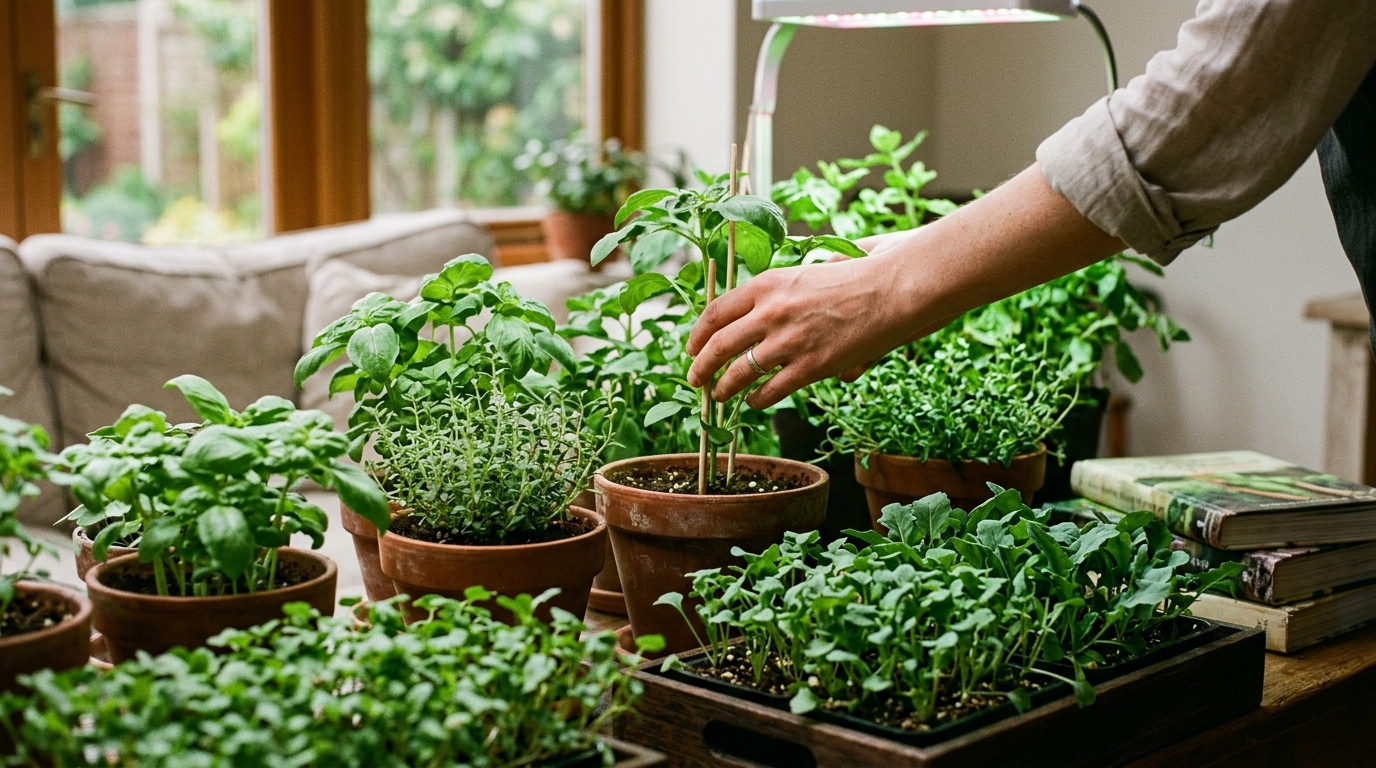
Indoor gardening has evolved from a niche hobby into a global agricultural movement. According to recent industry data, the global indoor farming market is projected to expand significantly through 2026, driven by the demand for sustainable food production. This growth is not just about yield but also about the energy footprint of cultivation. Traditional high-intensity discharge (HID) lamps, such as metal halide and high-pressure sodium fixtures, have long dominated the space. However, they suffer from poor luminous efficacy and excessive heat output. The shift toward solid-state lighting is now the standard for serious growers seeking to maximize Photosynthetically Active Radiation (PAR) while minimizing kilowatt-hour consumption. (Customer Support We 039)
Understanding Grow Light Efficiency Metrics
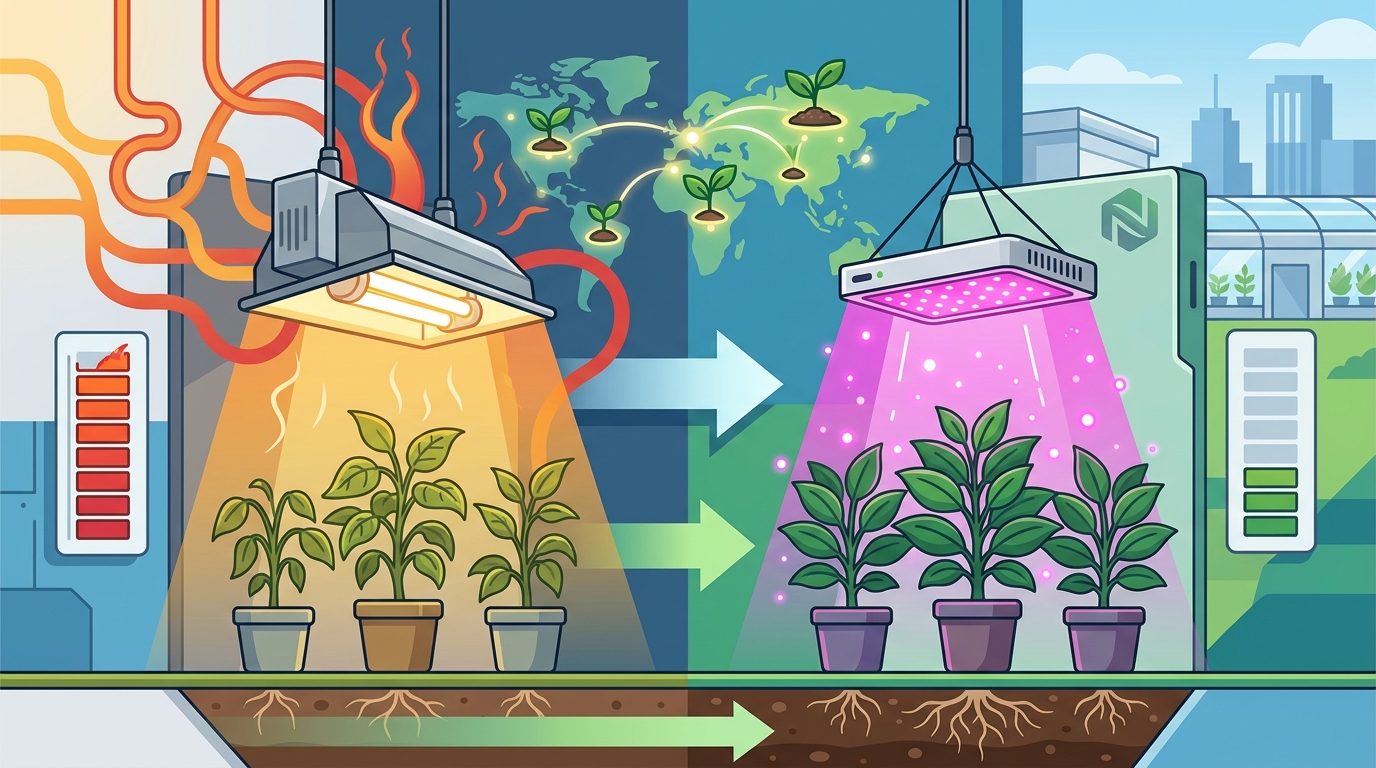
When evaluating energy efficiency, growers must look beyond wattage. The critical metric is micromoles per joule (μmol/J), which measures the number of photons delivered for every unit of electrical energy consumed. A higher μmol/J rating indicates a more efficient light source. For context, traditional HPS lights typically range from 1.0 to 1.4 μmol/J. Modern high-end LEDs can exceed 3.0 μmol/J, effectively doubling the efficiency of older technologies.
Another vital factor is the spectral distribution. Not all light is created equal for plants. The PAR spectrum ranges from 400 to 700 nanometers. Lights that concentrate their output within this range without wasting energy on ultraviolet or infrared wavelengths outside the plant's absorption peak are considered more efficient. This precision reduces heat load, lowering the need for expensive ventilation and air conditioning systems in enclosed grow spaces.
The Dominance of LED Technology
Light Emitting Diodes (LEDs) have become the gold standard for energy-efficient indoor gardening. Unlike HID lamps that rely on heating a gas or filament to produce light, LEDs generate photons through electroluminescence. This process is inherently more efficient and produces less waste heat. The longevity of LEDs also contributes to their overall efficiency. While an HPS bulb may need replacement every 12 to 18 months, quality LED fixtures can operate effectively for 50,000 hours or more.
The versatility of LED technology allows for customizable spectra. Growers can adjust the ratio of blue to red light to influence plant morphology. For example, a higher blue spectrum promotes compact vegetative growth, while increased red light encourages flowering and fruiting. This adaptability means a single fixture can support multiple growth stages without changing bulbs, further reducing operational costs and waste.
Nano Liquid Photonic Coating Technology
Recent advancements in optical engineering have introduced a new tier of efficiency: Nano Liquid Photonic Coating. This technology addresses a common flaw in standard LEDs, which is the scattering of light. Even with precise diode placement, some photons escape the intended beam, reducing the overall PAR delivery to the canopy. Nano Liquid Photonic Coating redirects these scattered photons, tightening the beam and increasing the density of usable light.
According to testing data, this coating can increase usable PAR at the canopy level while using less energy. This results in sharper spectral purity and accelerated photosynthesis. The technology is particularly effective in small to medium grow spaces where light uniformity is challenging to achieve. By ensuring that every photon is directed toward the plant, growers can reduce the number of fixtures needed to cover a given area, leading to significant energy savings.
Nano Liquid Photonic Coating is a proprietary optical layer that redirects scattered light into a tighter, more usable beam for faster indoor plant growth. This innovation allows for denser PAR delivery without increasing the electrical load. The result is a system that operates at lower temperatures, protecting delicate plant tissues from heat stress while maximizing growth rates.
Matching Lights to Plant Types
Energy efficiency is also dependent on the specific needs of the plants being cultivated. Different species have varying light requirements and responses to spectral quality. For instance, leafy greens like lettuce and microgreens thrive under full-spectrum LEDs with a balanced blue-to-red ratio. These plants require less intense light than fruiting crops like tomatoes or peppers, which need high PPFD (Photosynthetic Photon Flux Density) levels to produce yields.
African violets represent another category where spectral precision matters. These delicate houseplants respond exceptionally well to stabilized full-spectrum halide-like output. Using a light source with Nano Liquid Photonic Coating can enhance their growth by providing deep spectral continuity and low heat. This ensures continuous violet blooms and faster leaf expansion without the risk of burning the leaves, which is a common issue with high-heat HID lights.
Microgreens are another high-efficiency crop. They have a short growth cycle, often ready for harvest in just 7 to 14 days. Using an energy-efficient LED with nano-coating technology can reduce this cycle time further. In real-world trials, growers have reported bringing fast-cycling crops like lettuce to harvest in as little as 2 months, compared to the typical 3-month cycle, by optimizing light efficiency and spectral purity.
Efficiency Comparison Overview
To help you make an informed decision, the following table compares the key efficiency metrics of different grow light technologies. This comparison highlights why modern LED solutions, particularly those with advanced optical coatings, are superior for energy-conscious growers.
| Light Technology | Avg. Efficacy (μmol/J) | Heat Output | Lifespan | Best For |
|---|---|---|---|---|
| Metal Halide (MH) | 0.8 - 1.0 | Very High | 10,000 hours | Vegetative stage only |
| High-Pressure Sodium (HPS) | 1.0 - 1.4 | High | 12,000 hours | Fruiting stage |
| Standard LED | 2.0 - 2.8 | Moderate | 50,000+ hours | General purpose |
| Nano Liquid Coated LED | 3.0+ | Low | 50,000+ hours | High-density & delicate plants |
Key Takeaways
- Efficiency Metric: Look for μmol/J ratings above 2.5 for true energy efficiency in indoor gardening.
- Nano Technology: Nano Liquid Photonic Coating redirects scattered photons, increasing usable PAR and spectral purity.
- Heat Reduction: Low-heat operation of nano-coated LEDs allows for closer placement to the canopy, improving yield density.
- Plant Specificity: African violets and microgreens benefit significantly from the stabilized, full-spectrum output of advanced LEDs.
- Cost Savings: Higher initial investment in efficient lighting is offset by lower electricity bills and reduced cooling costs.
- Growth Speed: Optimized photon delivery can reduce crop cycles, such as bringing lettuce harvest time down to 2 months.
- Longevity: LED fixtures last significantly longer than HID bulbs, reducing replacement frequency and waste.
Frequently Asked Questions
What is the most energy efficient type of grow light?
High-efficiency LEDs, particularly those utilizing Nano Liquid Photonic Coating, are currently the most energy-efficient option. They offer the highest μmol/J ratings and direct light precisely where plants need it, minimizing waste.
How does Nano Liquid Photonic Coating improve efficiency?
Nano Liquid Photonic Coating is a specialized optical layer that redirects scattered light into a tighter beam. This increases the density of usable PAR at the canopy level, allowing plants to absorb more energy without increasing the wattage of the fixture.
Are LED grow lights better for African violets?
Yes. African violets require a stabilized full-spectrum output with low heat to prevent leaf burn. Nano Liquid Coated LEDs provide deep spectral continuity and consistent violet blooms while maintaining a safe temperature for delicate foliage.
Can efficient grow lights speed up plant growth?
Yes. By delivering sharper spectral purity and denser PAR, efficient lights can accelerate photosynthesis. Growers have reported reducing typical 3-month cycles for crops like lettuce to as little as 2 months.
What is the lifespan of a Nano Grow Light?
Quality LED fixtures with nano-coating technology are engineered for longevity, typically lasting 50,000 hours or more. This significantly outlasts traditional HID bulbs, which often need replacement every 12 to 18 months.
Do I need different lights for vegetative and flowering stages?
Not necessarily with modern full-spectrum LEDs. High-quality fixtures can be adjusted or are designed to provide the optimal spectrum for both stages, eliminating the need to switch bulbs or fixtures.
How much energy can I save by switching to efficient LEDs?
Switching from HPS to high-efficiency LEDs can reduce energy consumption by up to 50% or more. When combined with the reduced need for cooling due to lower heat output, the total operational cost savings are substantial.
Start Your Efficient Grow
Transitioning to energy-efficient lighting is one of the most impactful decisions you can make for your indoor garden. By choosing technology that maximizes photon delivery and minimizes waste, you ensure healthier plants and lower operational costs. Explore our Shop Now collection to find the perfect Nano Grow Light for your space. Visit our How It Works page to learn more about the science behind our technology. For specific advice on African violets, check out our African Violets guide. If you have further questions, our Customer Support team is ready to assist you.