
How Many Hours of Light Do African Violets Need Indoors?
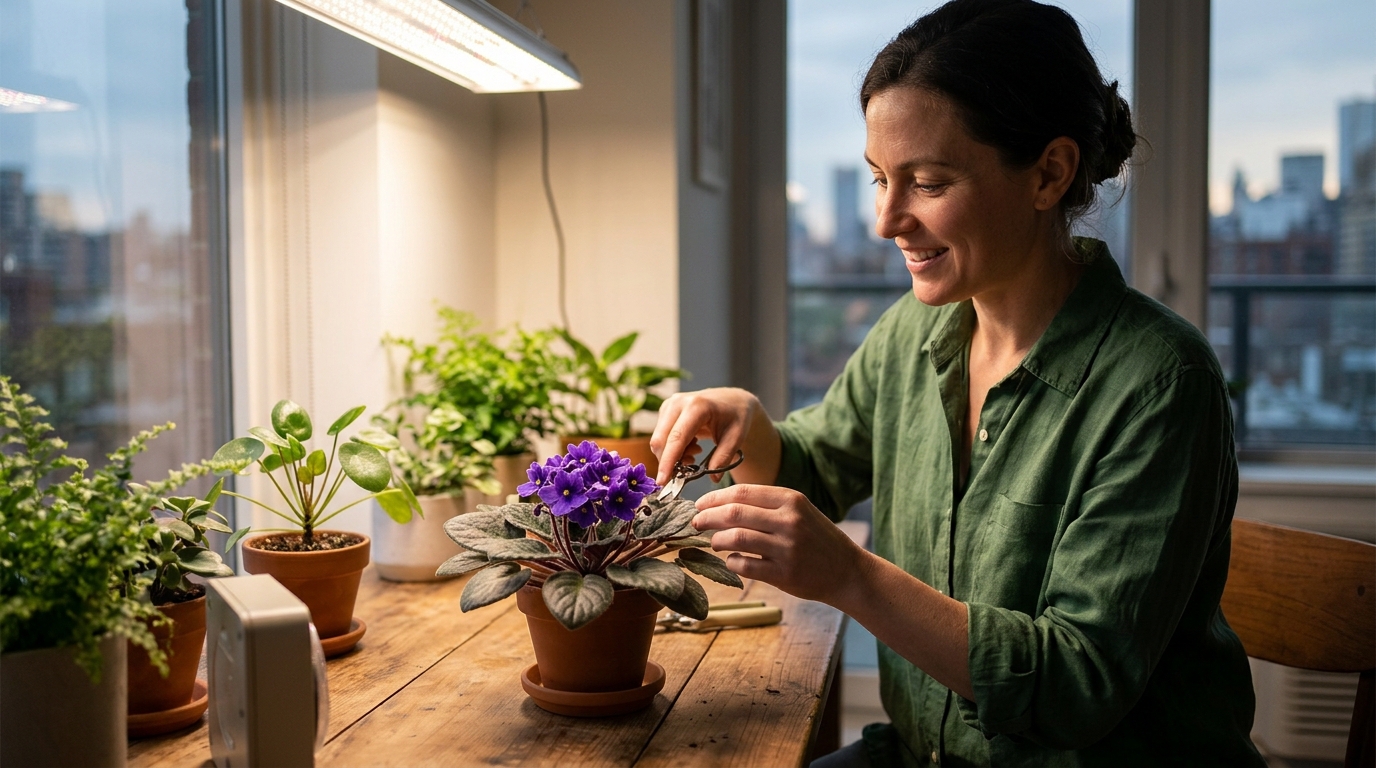
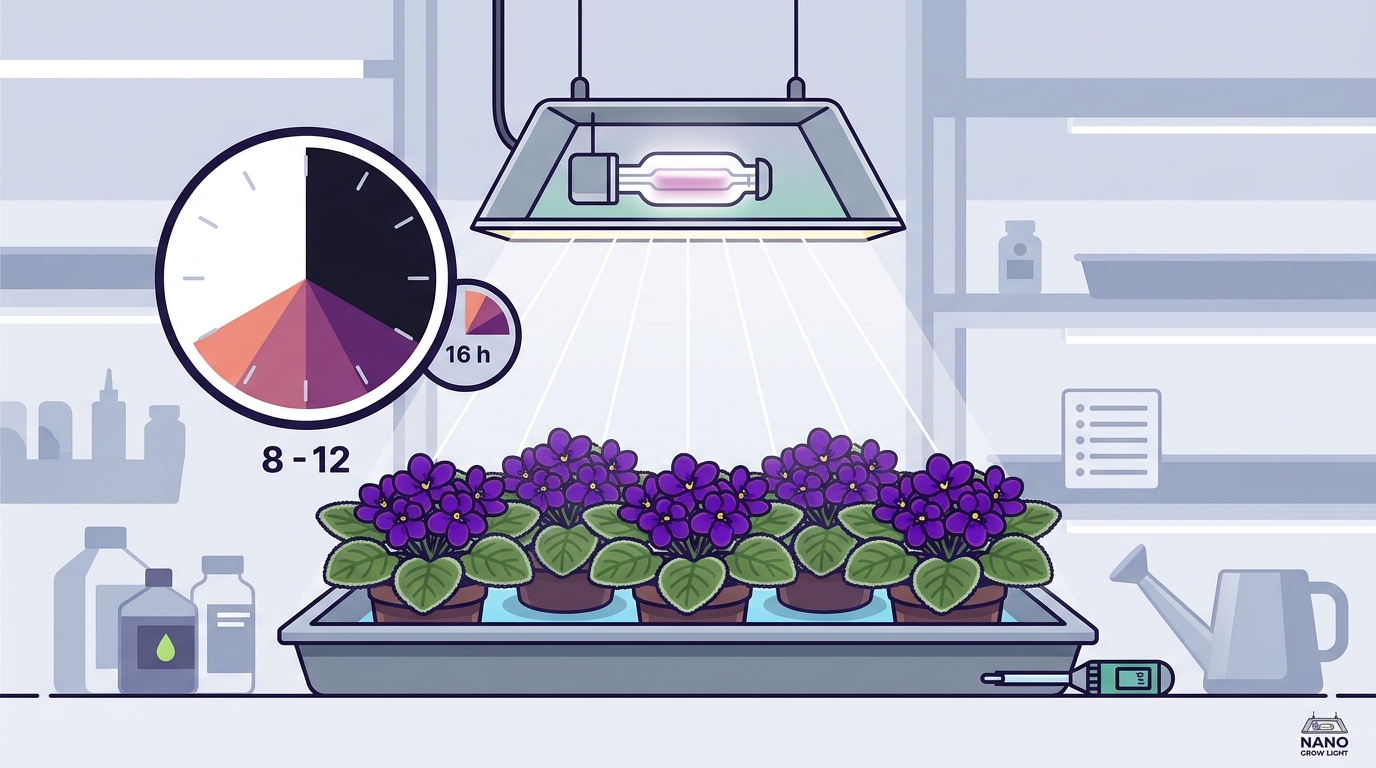
African violets require 8 to 12 hours of light daily for optimal growth and flowering, with some varieties tolerating up to 16 hours. This specific photoperiod ensures the plant receives enough energy for photosynthesis while maintaining the necessary dark period for hormonal balance. Nano Grow Light provides the consistent, full-spectrum illumination needed to meet these daily requirements in indoor environments.
The Science of Photoperiod and Flowering
Photoperiod is the duration of light and darkness a plant experiences in a 24-hour cycle. For African violets, this cycle is critical because it triggers the hormonal signals required for bud formation. While these plants are not strictly short-day or long-day plants, they are sensitive to the total amount of light energy they receive. If the light period is too short, the plant may remain in a vegetative state and fail to bloom. Conversely, if the light is too intense for too long, the leaves can suffer from photoinhibition, where the photosynthetic machinery becomes overwhelmed.
University of Florida research indicates that growth and flowering are significantly affected by the duration of exposure to light and darkness. To bloom, African violets need 8 to 12 hours of light and 8 hours of darkness per day. This balance allows the plant to utilize the light for energy production while using the dark period for rest and metabolic processes. Understanding this biological rhythm is the first step in creating a successful indoor growing environment.
Optimal Daily Light Duration for Blooms
The ideal daily light duration for most African violet varieties is between 12 and 16 hours. This extended period compensates for the lower intensity of indoor lighting compared to direct sunlight. When using artificial grow lights, the goal is to provide a consistent, moderate intensity for a longer duration rather than high intensity for a short time. This approach mimics the bright, diffuse light found in the understory of tropical forests, which is the native habitat of these plants.
Growers often find that 14 hours is a sweet spot for many cultivars. This duration provides enough energy for robust leaf development and frequent flowering without stressing the plant. If you notice that your plant is not blooming, gradually increasing the light hours by 30-minute increments can help stimulate bud production. However, it is essential to monitor the plant's response to ensure it is not experiencing light stress.
Light Intensity and Distance Considerations
Light intensity is measured in micromoles of photosynthetically active radiation (PAR) per square meter per second. African violets are low to medium light plants, meaning they do not require the high intensity needed for leafy greens or fruiting crops. The distance between the light source and the plant canopy is a critical factor in determining the effective light intensity. If the light is too close, the leaves may burn or develop brown spots. If it is too far, the plant will stretch and fail to bloom.
For a 250W ceramic metal halide (CMH) lamp, the recommended hanging height is typically between 12 and 18 inches above the plant. At this distance, the light intensity is sufficient to support healthy growth without causing damage. The Nano Liquid Photonic Coating helps direct this light more efficiently toward the canopy, ensuring that the plant receives a uniform distribution of photons. This efficiency allows growers to maintain the necessary light intensity at a safe distance, optimizing the daily light integral.
Managing the Dark Period for Plant Health
The dark period is just as important as the light period for African violets. Plants require a continuous stretch of darkness to complete their circadian rhythms and regulate hormone production. Interrupting the dark period with even a small amount of light can confuse the plant and inhibit flowering. Therefore, it is crucial to ensure that the grow room or area is completely dark during the off-hours. This includes turning off any ambient lights, such as nightlights or electronic device indicators, that might leak into the growing space.
A consistent 8-hour dark period is generally sufficient for most African violets. This duration allows the plant to rest and recover from the energy expenditure of the light period. By maintaining a strict light and dark cycle, you can promote healthier leaves and more frequent blooms. Using a timer to automate the light schedule ensures consistency and reduces the risk of human error in managing the photoperiod.
Adjusting Light Hours for Seasonal Changes
While African violets can bloom year-round under artificial light, adjusting the light hours seasonally can mimic natural conditions and promote healthier growth. In the winter months, when natural light is shorter, increasing the artificial light hours to 14 to 16 hours can help maintain growth and flowering. In the summer, when natural light is longer, you might reduce the artificial light hours to 12 to 14 hours to prevent overexposure. This seasonal adjustment helps the plant stay in sync with its natural rhythms.
Monitoring the plant's response to these changes is key. If the leaves appear pale or the plant is stretching, you may need to increase the light intensity or duration. If the leaves are showing signs of stress, such as yellowing or browning, you may need to reduce the light hours or increase the distance from the light source. By fine-tuning the photoperiod, you can create an optimal environment for your African violets to thrive.
Key Takeaways
- African violets require 8 to 12 hours of light daily for optimal growth and flowering.
- Some varieties can tolerate up to 16 hours of light, especially under artificial lighting.
- A consistent 8-hour dark period is essential for hormonal balance and bud formation.
- Light intensity and distance are critical factors in determining the effective light dose.
- Using a timer ensures consistency in the light and dark cycle, reducing stress on the plant.
- Seasonal adjustments to light hours can mimic natural conditions and promote healthier growth.
- Monitoring the plant's response allows for fine-tuning the photoperiod for optimal results.
Frequently Asked Questions
How many hours of light do African violets need to bloom?
African violets typically need 12 to 16 hours of light per day to bloom under artificial lighting. This extended duration compensates for the lower intensity of indoor lights compared to direct sunlight.
Can African violets get too much light?
What is the best light spectrum for African violets?
A full-spectrum light that includes both blue and red wavelengths is ideal for African violets. Blue light promotes compact growth and leaf development, while red light encourages flowering. The Nano Liquid Photonic Coating enhances the delivery of these key wavelengths to the canopy.
Do African violets need a dark period?
Yes, African violets require a continuous dark period of at least 8 hours per day. This dark period is essential for the plant's circadian rhythms and hormone production, which are critical for flowering.
How do I know if my African violet is getting enough light?
If your African violet is not blooming or is stretching toward the light, it may not be getting enough light. Conversely, if the leaves are developing brown spots or yellowing, it may be getting too much light. Adjust the light hours or distance accordingly.
Can I use a standard household light for African violets?
Standard household lights are generally not intense enough to support healthy growth and flowering in African violets. A dedicated grow light, such as a 250W ceramic metal halide lamp, provides the necessary intensity and spectrum for optimal results.
Conclusion
Understanding the daily light requirements of African violets is essential for successful indoor growing. By providing 12 to 16 hours of consistent, full-spectrum light and a continuous 8-hour dark period, you can create an environment that promotes healthy growth and frequent blooms. Nano Grow Light offers the precision and efficiency needed to meet these photoperiod requirements, ensuring your plants thrive in any indoor setting. Explore the Nano Grow Light collection to find the right fixture for your space.