
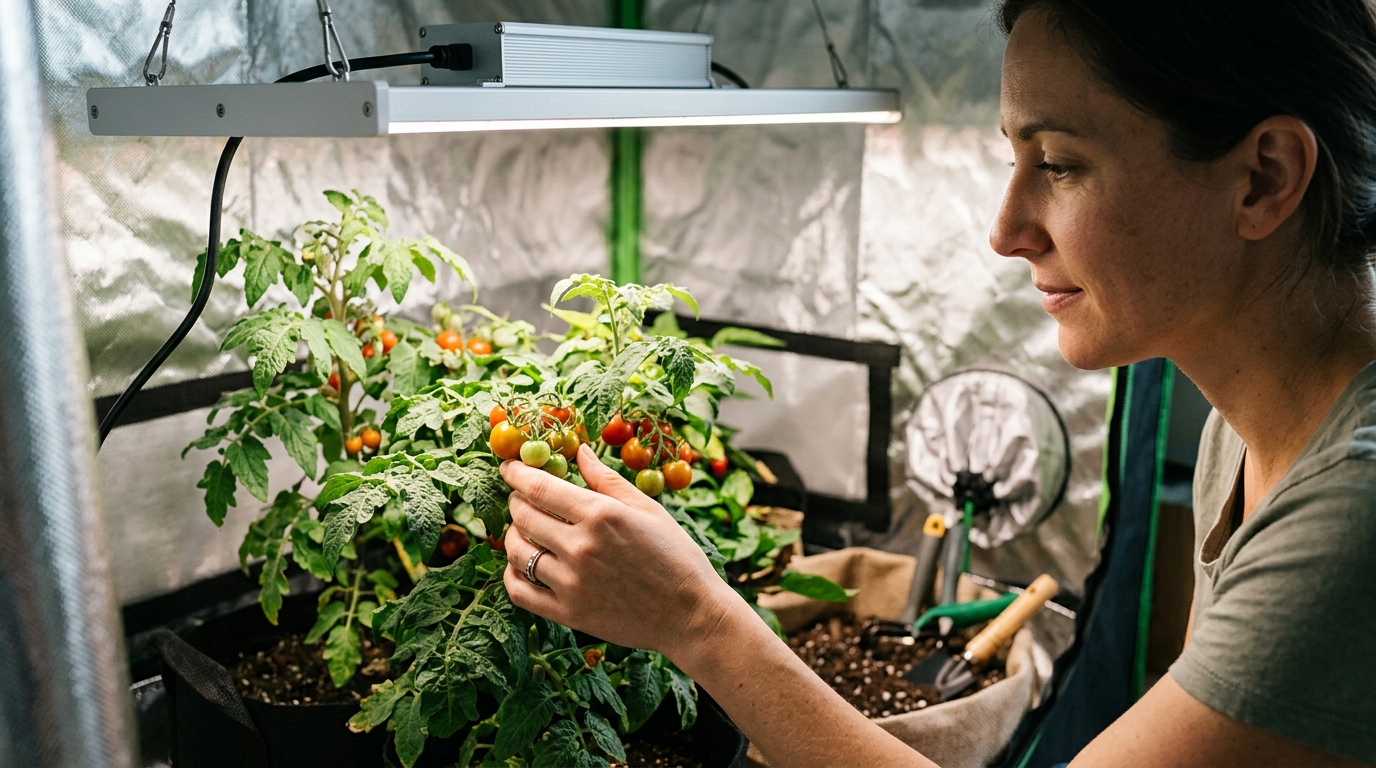
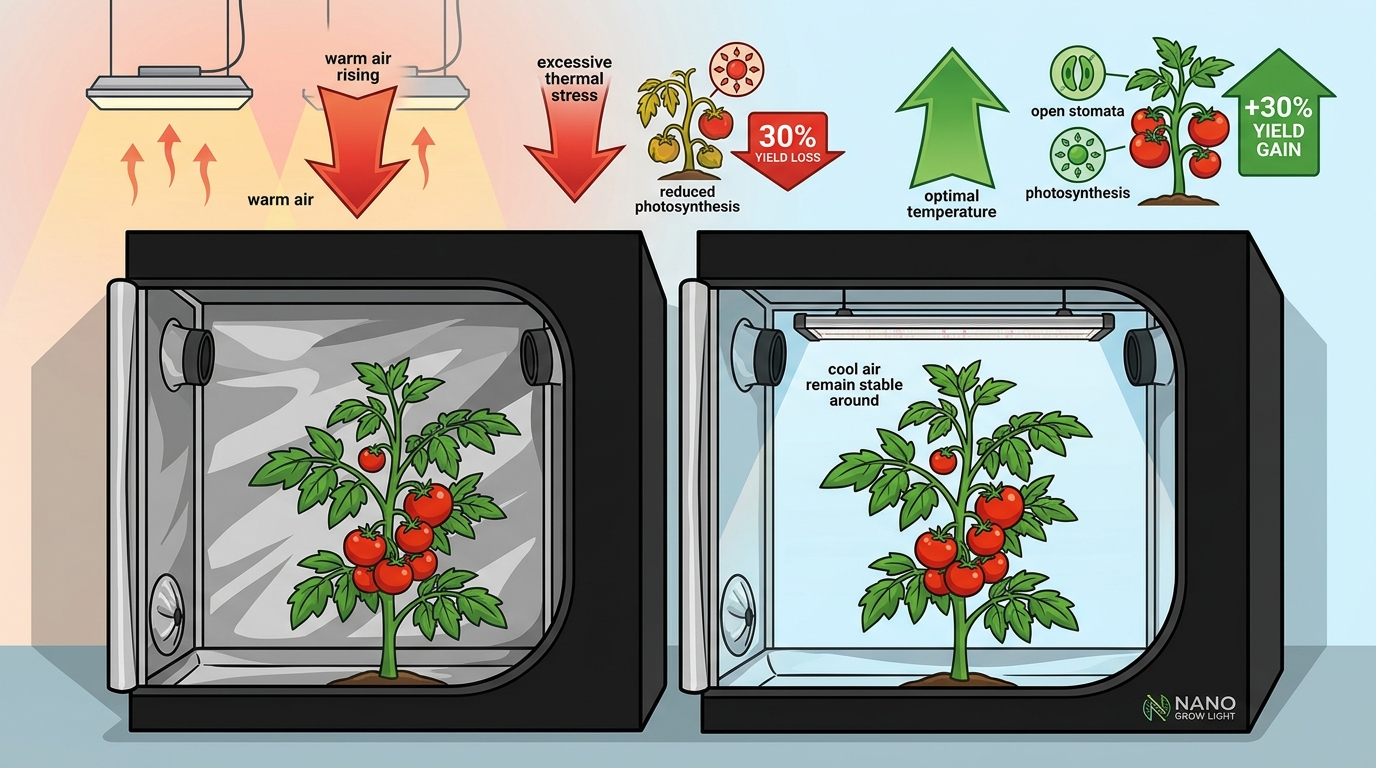
Heat management is the single most critical factor in successful indoor cultivation. When plants are subjected to excessive thermal stress, they close their stomata to conserve water, which immediately halts photosynthesis and stunts growth. According to recent horticultural data, improper temperature control can reduce crop yields by up to 30% in enclosed grow spaces. This statistic highlights why selecting the right light source is not just about brightness, but about thermal efficiency. Growers must choose technologies that deliver high photon density without turning their grow tents into saunas. (Customer Support We 039)
LED vs. Metal Halide Heat Output
The debate between Light Emitting Diodes (LED) and Metal Halide (MH) lamps often centers on efficiency and thermal output. Traditional MH bulbs are known for producing intense, broad-spectrum light that mimics natural sunlight. However, this intensity comes with a significant thermal penalty. MH lights operate at extremely high surface temperatures, often requiring substantial ventilation to prevent leaf burn.
LED technology has evolved to address this issue. Modern high-performance LEDs use advanced heat sinks and driver technologies to minimize radiant heat. They convert a higher percentage of electricity into usable light rather than waste heat. This makes them the preferred choice for small, enclosed spaces where air circulation is limited. However, not all LEDs are created equal. Some budget models still suffer from poor thermal management, leading to hotspots that can damage delicate plant tissues.
Understanding the spectral distribution is also key. MH lights provide a natural full-spectrum output without the diode gaps often seen in cheaper LED panels. Yet, the efficiency of photon delivery matters more than raw spectrum breadth. When light is scattered, energy is wasted, and heat is generated in areas where plants do not need it. This is where next-generation technologies intervene to optimize performance.
Nano Liquid Photonic Coating
Nano Grow Light represents a paradigm shift in horticultural illumination by utilizing a proprietary Nano Liquid Photonic Coating. This technology is applied to metal halide bulbs to redirect scattered photons into a tighter, more usable beam. The result is a significant reduction in wasted energy and, consequently, lower ambient heat generation compared to standard MH bulbs.
Ordinary grow lights scatter photons in every direction, wasting energy on wavelengths plants cannot use. Nano Liquid Photonic Coating redirects and tightens that same light into a denser, more usable PAR field aimed straight at the canopy. This targeted beam delivery improves performance per watt and reduces heat stress on your plants. The coating is engineered to maximize usable PAR, tighten beam spread for deeper canopy penetration, and sharpen spectral purity for cleaner, more targeted light.
This innovation allows growers to achieve the benefits of metal halide technology, such as broader spectral distribution and higher photon density for flowering crops, without the traditional thermal drawbacks. The low-heat operation makes it ideal for shelves, tents, cabinets, and compact indoor grow setups. By eliminating the scattered "disco ball" effect seen in traditional LEDs, this technology ensures that energy is used exclusively for plant growth.
For growers dealing with delicate species, this thermal efficiency is crucial. African violets, for instance, respond exceptionally well to stabilized full-spectrum halide output with low heat. The deep spectral continuity and reduced thermal load promote continuous violet blooms and faster leaf expansion. This makes the Nano Grow Light an excellent choice for hobbyists growing sensitive indoor plants.
Heat Management Strategies
Even with low-heat lights, proper environmental control is essential. The goal is to maintain a stable temperature range that optimizes enzymatic activity in plants. For most indoor crops, this means keeping the canopy temperature between 70 and 85 degrees Fahrenheit during the light cycle.
Ventilation plays a pivotal role in heat dissipation. Using inline fans and carbon filters helps remove hot air from the grow space and replace it with fresh, cooler air. This not only manages temperature but also regulates humidity and provides the CO2 necessary for photosynthesis. Proper air circulation also prevents microclimates of stagnant, hot air from forming around the leaves.
Another strategy is to position the lights at an optimal distance from the canopy. While low-heat lights allow for closer placement, it is still important to monitor leaf temperature using an infrared thermometer. If leaves feel warm to the touch, the light should be raised slightly to prevent thermal stress. This proactive approach ensures that plants receive maximum light intensity without suffering from heat damage.
Plant-Specific Heat Requirements
Different plant species have varying tolerances for heat. Leafy greens and microgreens are particularly sensitive to high temperatures. Excessive heat can cause bolting, where the plant prematurely flowers and becomes bitter. For these crops, a low-heat light source is non-negotiable.
Flowering plants, such as tomatoes and peppers, generally tolerate higher temperatures but still benefit from efficient light delivery. They require high photon density during the flowering stage to support fruit development. Nano Grow Light delivers higher photon density for flowering crops, ensuring robust growth without the need for excessive wattage that generates heat.
Ornamental plants like African violets require gentle, consistent light. They do not need the intense heat of traditional HID lights to thrive. In fact, too much heat can scorch their delicate leaves. The stabilized full-spectrum output of specialized low-heat lights provides the ideal conditions for these plants to bloom continuously.
Key Takeaways
- Nano Liquid Photonic Coating redirects scattered light into a tighter beam, reducing wasted energy and heat.
- Traditional metal halide bulbs produce high heat, while modern LEDs offer lower thermal output but vary in quality.
- Proper ventilation and air circulation are essential for managing ambient temperature in grow spaces.
- Delicate plants like African violets and microgreens require low-heat lights to prevent leaf burn and bolting.
- Targeted photon delivery improves photosynthesis efficiency, allowing for faster growth cycles.
- Monitoring canopy temperature with an infrared thermometer helps prevent thermal stress.
- Nano Grow Light offers a unique solution by combining MH spectral benefits with reduced heat output.
Frequently Asked Questions
Do LED grow lights produce less heat than metal halide?
Generally, yes. High-quality LEDs are more energy-efficient and produce less radiant heat than traditional metal halide bulbs. However, poor-quality LEDs can still generate significant heat if their thermal management systems are inadequate.
How does Nano Liquid Photonic Coating reduce heat?
The coating redirects scattered photons into a focused beam. This increases the usable PAR at the canopy while reducing the amount of energy wasted as heat in the surrounding air. It tightens the beam spread for deeper canopy penetration.
Can I use grow lights close to delicate plants?
Low-heat lights, such as those with Nano Liquid Photonic Coating, can be placed closer to delicate plants like African violets without causing leaf burn. Always monitor leaf temperature to ensure safety.
What is the ideal temperature for an indoor grow tent?
The ideal temperature range for most indoor plants is between 70 and 85 degrees Fahrenheit during the light cycle. Maintaining this range optimizes photosynthesis and prevents heat stress.
Are metal halide lights still relevant for indoor growing?
Yes, especially when enhanced with technologies like Nano Liquid Photonic Coating. They provide a broad spectral distribution and high photon density that is beneficial for flowering crops, but they must be managed carefully to control heat.
How do I know if my plants are getting too much heat?
Signs of heat stress include wilting, curling leaves, and brown or yellow edges. If leaves feel hot to the touch, the light is likely too close or too intense. Adjust the distance or improve ventilation immediately.
What is the benefit of nano-enhanced photon delivery?
Nano-enhanced photon delivery promotes faster development by ensuring plants receive only the most productive wavelengths. This can reduce growth cycles, such as bringing lettuce to harvest in as little as 28 days.
Start Growing with Low Heat Technology
Choosing the right grow light is about balancing light intensity with thermal efficiency. Nano Grow Light offers a revolutionary solution that combines the best of metal halide technology with advanced nano-coating to minimize heat. Visit our Shop Now page to explore our range of low-heat grow lights. For more information on our technology, check out our How It Works guide. If you have specific questions, contact our support team at Contact Nano Grow Light.