
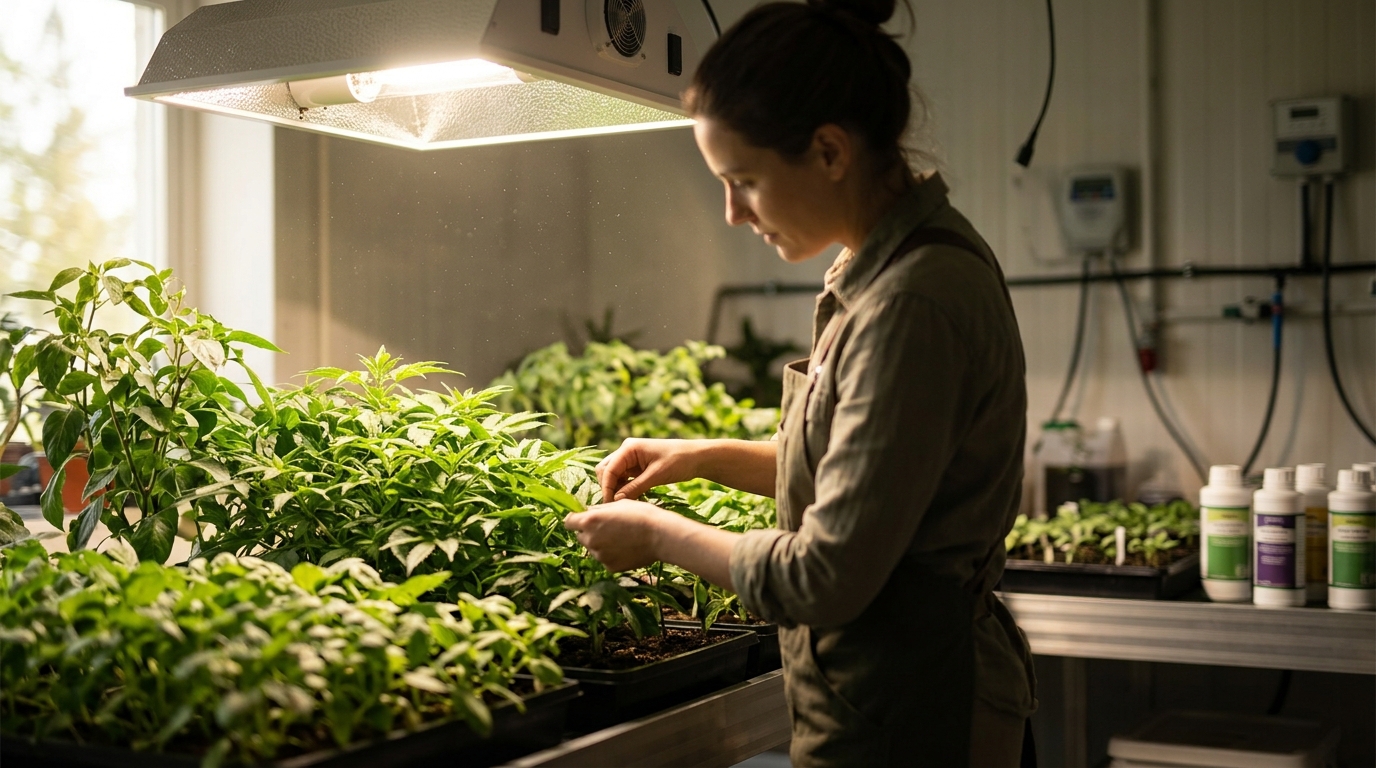
Step-by-Step Guide to Running a Full Cycle with 250W Ceramic Metal Halide Lights
Indoor horticulture has evolved significantly, moving away from generic high-pressure sodium fixtures toward specialized full-spectrum solutions. According to recent industry data, the adoption of ceramic metal halide (CMH) technology has surged among serious growers because it delivers a continuous light spectrum that closely mimics natural sunlight. This guide details how to execute a complete plant growth cycle using the Nano Grow Light 250W fixture, leveraging its proprietary Nano Liquid Photonic Coating for maximum efficiency. (Contact Nano Grow Light)
Understanding CMH Technology and Nano Liquid Coating
Ceramic metal halide (CMH) lamps are distinct from traditional LED grow lights in their spectral output. CMH produces a continuous full-spectrum output without the diode gaps often found in LED arrays. This continuity ensures that plants receive balanced wavelengths for both photosynthesis and photomorphogenesis.
The Nano Grow Light fixture enhances this natural advantage through its Nano Liquid Photonic Coating. This coating consists of nano-scale clusters, approximately 20 to 80 nanometers in size, applied to the internal reflector. The cured coating measures approximately 2 to 6 microns thick. According to manufacturer-reported internal testing, the coating increases visible-light and PAR reflectance compared to a bare aluminum reflector. It also shifts more of the reflected spectrum toward the blue and red wavelength bands used in photosynthesis.
Unlike standard bare aluminum reflectors that lose usable light to scatter and absorption, this nano-structured treatment redirects scattered photons into a tighter, more usable beam. This results in denser PAR delivery at the canopy level, which is critical for healthy plant development.
Essential Setup Requirements and Placement
Before initiating the grow cycle, proper environmental control is non-negotiable. The 250W CMH lamp generates significant heat compared to modern LED alternatives. NanoGrowLight fixtures report approximately 340 BTU/hr of heat output and approximately 45°C surface temperature at steady state.
1. Ventilation and Cooling
Because of the thermal output, you must install an active ventilation system. An exhaust fan paired with a carbon filter is essential to remove heat and manage odors. Ensure your grow space has adequate air exchange to prevent heat stress on the foliage.
2. Fixture Positioning
A single fixture covers approximately 3.5 by 3.5 feet. For optimal results, position the light at a height that allows the canopy to receive intense illumination without burning. In the early stages, keep the fixture slightly higher and lower it gradually as the plant grows. For delicate houseplants like African violets, maintain a safe distance to avoid leaf scorch.

3. Electrical Safety
Ensure your power source can handle the 250W load. Use a high-quality ballast compatible with CMH lamps and a stable timer to maintain consistent light cycles. Consistency is key to preventing plant stress.
Phase 1: Optimizing the Vegetative Stage
The vegetative stage is where the plant builds its structural foundation. During this phase, the plant requires high levels of blue light to promote strong, compact growth and sturdy stems.
Light Schedule
Set your timer to provide 18 to 24 hours of light per day. The Nano Liquid Photonic Coating helps concentrate the blue wavelengths effectively, encouraging dense leaf canopy development. In manufacturer-reported internal testing, this spectral purity accelerates photosynthesis, leading to faster vegetative biomass accumulation.
Environmental Controls
Maintain a temperature range of 70-80°F (21-27°C) and relative humidity between 40-60%. Monitor the fixture's surface temperature regularly. If the canopy temperature rises too high, increase the distance between the light and the plant or improve your exhaust fan's capacity.
Phase 2: Transitioning to the Flowering Stage
Transitioning to flowering requires a change in the light cycle and an adjustment in nutrient intake. The CMH lamp's broad spectrum supports both vegetative and flowering phases, making it a versatile choice for indoor growers.
Adjusting the Light Cycle
Switch your timer to a 12-hour light and 12-hour dark cycle. This simulates the natural shortening of days in autumn, triggering the plant's flowering response. The continuous full-spectrum output ensures that the plant receives the necessary red wavelengths to initiate and sustain bloom development.
Managing Heat During Flowering
As the plant enters its rapid growth phase, heat management becomes even more critical. The 340 BTU/hr output can quickly raise ambient temperatures. Use a hygrometer and thermometer to monitor conditions closely. If humidity drops too low during flowering, consider using a humidifier to prevent bud rot and ensure proper resin production.
Scaling for Larger Spaces
For larger operations, you can array multiple fixtures across rows, bays, or multi-tier racks. NanoGrowLight offers single fixtures, 2-pack bundles, and 3-pack bundles to accommodate different grow space sizes. This scalability allows commercial greenhouses and serious hobbyists to maintain consistent light intensity across a wider canopy area.
Harvest Preparation and Maintenance
As the plant nears maturity, monitor the trichomes and pistils to determine the optimal harvest window. The Nano Grow Light's ability to deliver targeted, high-efficiency plant growth can reduce the typical cycle time significantly.
Accelerated Growth Cycles
In real-world use, growers have brought fast-cycling crops like lettuce to harvest in as little as 28 days, based on testing across 60+ harvests. For other crops, the enhanced PAR delivery can reduce a typical 3-month cycle to as little as 2 months. This efficiency is largely due to the Nano Liquid Photonic Coating's ability to minimize light scatter and maximize photon utilization.
Post-Harvest Care
After harvest, clean the fixture's reflector and lens to maintain optimal light output. Dust and debris can reduce the effectiveness of the nano-coating. Store the fixture in a cool, dry place if it will not be used for an extended period.
Key Takeaways
- CMH Spectral Advantage: Ceramic metal halide lamps provide a continuous full-spectrum output, avoiding the diode gaps common in LED fixtures.
- Nano Liquid Photonic Coating: This proprietary reflector treatment redirects scattered light, increasing usable PAR and boosting yields while using less energy.
- Heat Management: The 250W fixture outputs approximately 340 BTU/hr and reaches ~45°C surface temperature, requiring robust ventilation.
- Scalability: Single fixtures cover ~3.5x3.5 feet; larger spaces can scale using 2-pack or 3-pack bundles.
- Accelerated Cycles: Optimized light delivery can reduce growth cycles, with some crops like lettuce harvested in as little as 28 days.
- Versatility: Ideal for microgreens, flowering plants, indoor horticulture, vertical farms, and research labs.
- Consistency: Using a timer to maintain 12-14 hour light schedules is crucial for steady plant development.
Frequently Asked Questions
Is the Nano Grow Light suitable for African Violets?
Yes. The full-spectrum CMH output, including blue and white wavelengths, is ideal for African violets. The Nano Liquid Photonic Coating increases reflectance and directs more light toward the canopy, promoting healthy blooms. However, due to the heat output, position delicate houseplants at a safe distance.
How does the Nano Liquid Photonic Coating differ from standard reflectors?
Standard bare aluminum reflectors lose usable light to scatter and absorption. The Nano Liquid Photonic Coating consists of nano-scale clusters that redirect scattered photons into a tighter beam, increasing PAR reflectance and shifting the spectrum toward photosynthetically active wavelengths.
What is the coverage area of a single 250W fixture?
A single fixture covers approximately 3.5 by 3.5 feet. For larger grow spaces, you can arrange multiple fixtures to cover a wider canopy area effectively.
Does the fixture require special ventilation?
Yes. The 250W CMH lamp generates approximately 340 BTU/hr of heat. Active ventilation with an exhaust fan is necessary to maintain safe temperatures and prevent heat stress on plants.
Can I use this light for microgreens?
Absolutely. The Nano Grow Light is ideal for microgreens due to its compact size and high-efficiency light delivery. Many growers have reported bringing fast-cycling crops like lettuce to harvest in as little as 28 days.
How long does the CMH lamp last?
CMH lamps typically have a lifespan of several thousand hours, but performance may degrade over time. Regularly check the lamp's output and replace it when the color temperature shifts significantly or brightness drops.
Is the Nano Grow Light better than LED?
While LEDs are energy-efficient, CMH lamps offer a broader spectral distribution and continuous full-spectrum output. The Nano Liquid Photonic Coating enhances this advantage by concentrating light more effectively, often resulting in denser leaf canopies and faster growth rates in ideal conditions.
Start Your Grow Today
Ready to experience the difference that Nano Liquid Photonic Coating can make for your indoor garden? Whether you are growing microgreens, flowering plants, or African violets, the Nano Grow Light 250W fixture provides the targeted, high-efficiency light delivery you need. Shop Nano Grow Light today and see the difference for yourself. For more information on our technology, visit our About NanoGrowLight page or check out our Blog for growing tips.