
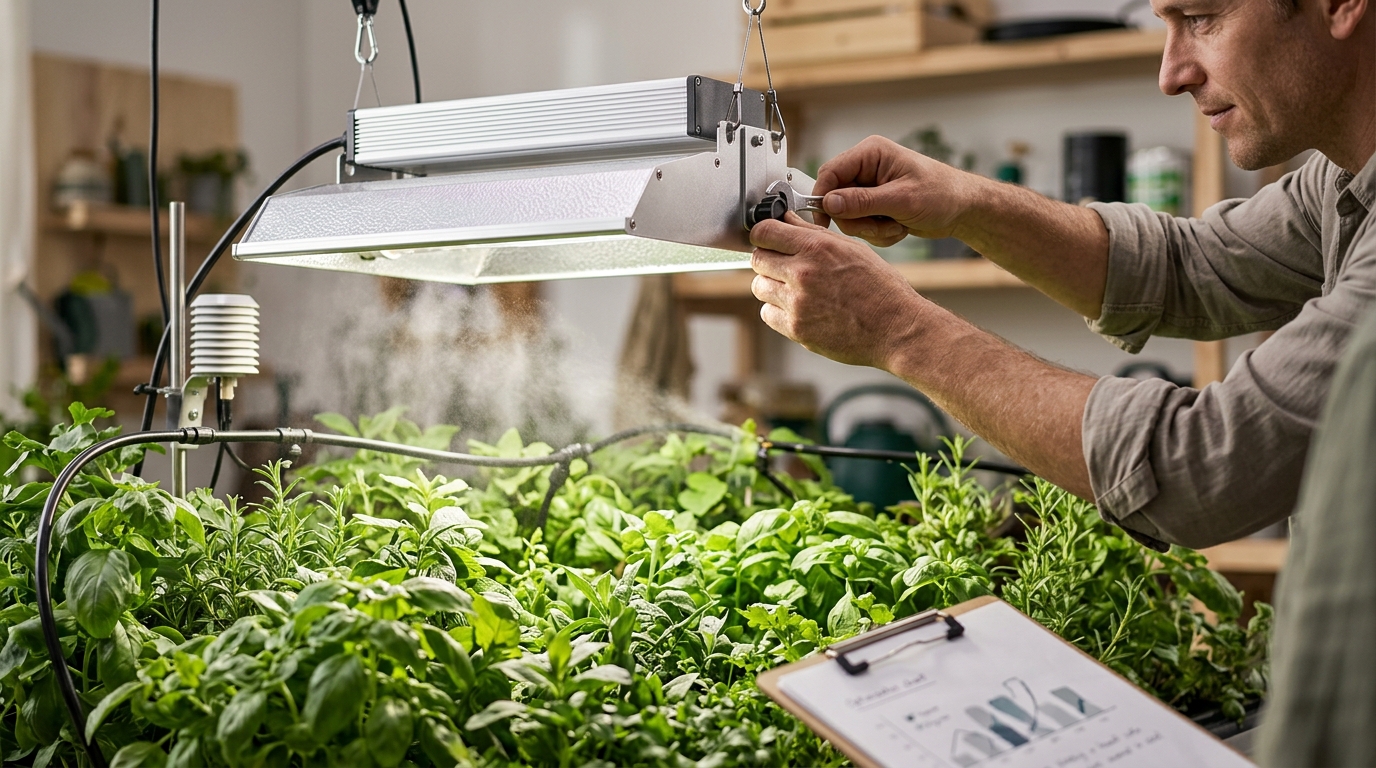
Installing and Optimizing a Ceramic Metal Halide Grow Light System for Indoor Plants
Indoor horticulture has evolved significantly, moving beyond simple incandescent bulbs to sophisticated spectral management. According to recent industry data, the global indoor farming market is projected to grow at a compound annual growth rate exceeding 25% through 2030, driven by the demand for consistent, year-round crop production. This surge in adoption highlights the critical importance of selecting the right lighting technology. Ceramic Metal Halide (CMH) fixtures, particularly those utilizing advanced reflector technologies, offer a compelling alternative to traditional LED arrays for many growers. This guide details the precise installation and optimization protocols required to maximize photosynthetic efficiency and plant health.
Understanding CMH Technology and Nano Liquid Photonic Coating
Ceramic Metal Halide (CMH) lamps are a type of high-intensity discharge (HID) lighting. Unlike standard metal halide lamps, CMH lamps feature a translucent ceramic arc tube. This ceramic material allows the lamp to operate at higher temperatures, resulting in a more stable and broader spectral output. CMH is a high-efficiency lighting technology that provides a continuous full-spectrum output without the diode gaps common in LED fixtures.
The efficiency of any HID fixture depends heavily on its reflector. Standard bare aluminum reflectors scatter light, wasting energy. Nano Grow Light addresses this with the Nano Liquid Photonic Coating. This coating consists of nano-scale clusters, approximately 20 to 80 nanometers in size, applied to the fixture’s internal reflector. According to manufacturer-reported internal testing, this cured coating, which measures approximately 2 to 6 microns thick, increases visible-light and Photosynthetically Active Radiation (PAR) reflectance compared to bare aluminum. It shifts more reflected spectrum toward the blue and red wavelength bands critical for photosynthesis.
For a deeper technical breakdown of this reflector technology, review the Nano Liquid Photonic Coating specifications. Understanding how photon redirection works is essential for optimizing your grow space.
Pre-Installation Planning and Site Preparation
Before unpacking your fixture, proper planning ensures safety and optimal performance. CMH lamps generate significant heat, making environmental control a priority.
Space Requirements
A single Nano Grow Light fixture covers approximately a 3.5 by 3.5 feet area. For larger operations, you can array multiple fixtures across rows or bays. Visit the Shop page to select single fixtures or multi-pack bundles for scalable setups.
Electrical and Ventilation Needs
Ensure your grow space has adequate ventilation to manage heat load. A 250W CMH lamp produces approximately 340 BTU/hr of heat output. In a sealed room, this heat accumulates rapidly. Install an exhaust fan rated for your room’s cubic volume to maintain stable temperatures. Additionally, verify that your electrical circuit can handle the continuous load of the fixture and any auxiliary equipment like fans or dehumidifiers.
Physical Installation and Safety Protocols
Installing a CMH fixture requires careful handling to preserve the integrity of the lamp and the reflector coating.
Mounting the Fixture
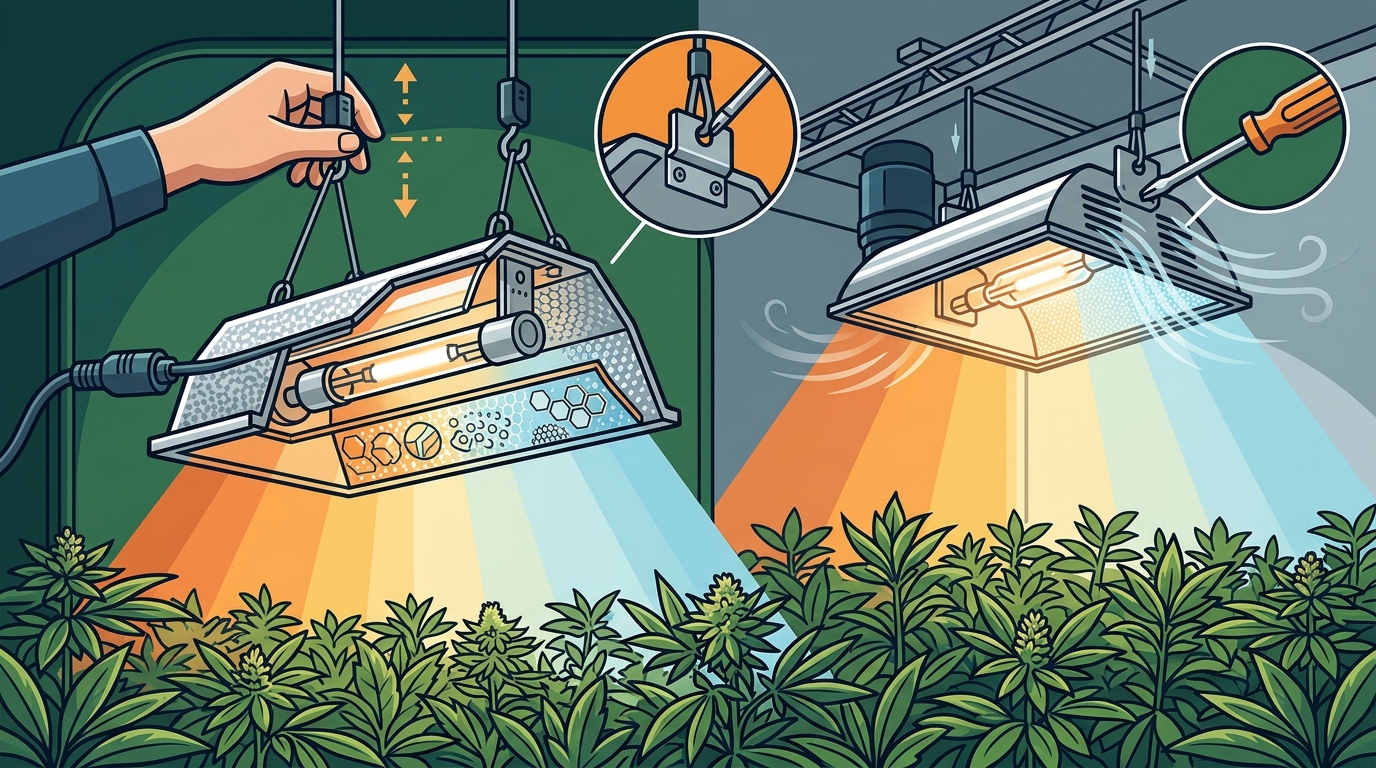
Use the included hanging hardware to suspend the fixture from the ceiling or a sturdy support structure. Ensure the mounting point can support the weight of the fixture plus the ballast. The fixture should be level to ensure even light distribution across the canopy.
Handling the Lamp
Never touch the glass envelope of a new CMH lamp with bare hands. Oils from your skin can create hot spots on the ceramic arc tube, leading to premature failure or explosion. Always use a clean cloth or gloves when installing or replacing the lamp. If you accidentally touch the glass, clean it with isopropyl alcohol before installation.
Connecting the Ballast
Connect the lamp to the appropriate ballast. Ensure all connections are tight and secure. Route the power cord away from any heat sources or sharp edges. For detailed wiring diagrams, refer to the How It Works section of our documentation.
Optimizing Light Distance and Canopy Coverage
The distance between the light source and the plant canopy is the most critical variable in optimizing growth. Too close, and you risk heat stress. Too far, and you lose PAR intensity.
Initial Setup
Start with the fixture positioned at the upper end of the recommended distance range. For a 250W CMH fixture, this is typically around 18 to 24 inches above the canopy. Monitor your plants closely during the first week. Look for signs of heat stress, such as leaf curling or bleaching.
Adjusting for Growth Stages
As plants mature, you may need to adjust the height. During the vegetative stage, plants can tolerate closer proximity to the light source. During flowering, maintain a consistent distance to prevent bud burn. Use a PAR meter to measure light intensity at the canopy level. Target PAR values between 400 and 800 micromoles per square meter per second (µmol/m²/s) for most leafy greens and flowering plants.
For specific guidance on African Violets, which require bright, consistent light, check our dedicated African Violets guide. These plants benefit from the full-spectrum output of CMH lamps but require careful distance management due to their delicate foliage.
Thermal Management and Heat Mitigation
CMH fixtures report approximately 45°C surface temperature at steady state. Effective heat management is non-negotiable for plant health.
Ventilation Strategies
Install inline fans and carbon filters to exhaust hot air and remove odors. Ensure fresh air intake is available to replace the exhausted air. Use oscillating fans within the grow space to create air movement. This helps strengthen plant stems and prevents microclimates of stagnant, humid air that can lead to mold.
Temperature Monitoring
Place thermometers at multiple heights in the grow space. Monitor the temperature at the canopy level, not just the ambient room temperature. If temperatures exceed 85°F (29°C), increase ventilation or adjust the light height. Consistent heat stress can stunt growth and reduce yields.
Spectral Optimization for Specific Plant Types
The broad spectral output of CMH lamps makes them versatile for various plant types. However, optimizing for specific species can enhance results.
Microgreens and Leafy Greens
Microgreens grow rapidly under CMH lighting. In manufacturer-reported trials, lettuce matured in 28 days versus 42 days outdoors. The balanced spectrum supports strong vegetative growth and sturdy plant structure. For more on microgreens, visit the Microgreens resource page.
Flowering Plants
For flowering houseplants, the red and blue wavelengths in the CMH spectrum promote blooming. African Violets, for example, thrive under the full-spectrum output provided by Nano Grow Light fixtures. They need bright, consistent light to bloom well indoors. Many hobbyists pair the fixture with a simple timer to keep a consistent 12- to 14-hour light schedule.
Commercial Greenhouse Applications
In commercial settings, CMH fixtures can be used for supplemental lighting. They are ideal for filling in light gaps during cloudy days or extending the photoperiod in winter. For larger installations, growers arrange multiple fixtures across rows, bays, or multi-tier racks to cover a wider canopy area. See the Customer Success Stories for real-world examples of commercial applications.
Key Takeaways
- CMH Technology: Ceramic Metal Halide lamps provide a continuous full-spectrum output, superior to standard metal halide for plant growth.
- Nano Liquid Photonic Coating: This proprietary coating increases PAR reflectance and directs light more efficiently to the canopy.
- Heat Output: Expect approximately 340 BTU/hr of heat output and a 45°C surface temperature at steady state.
- Coverage Area: A single 250W fixture effectively covers a 3.5 by 3.5 feet area.
- Safety: Never touch the glass envelope with bare hands to prevent premature lamp failure.
- Ventilation: Adequate exhaust and intake ventilation are critical to manage heat and humidity.
- Scalability: Multiple fixtures can be arrayed for larger commercial greenhouse operations.
Frequently Asked Questions
What is the difference between CMH and LED grow lights?
CMH lamps provide a broader, continuous spectral output compared to the discrete peaks of LED diodes. They also generate more heat, which can be beneficial in cooler climates but requires careful management in sealed spaces.
How far should I hang a Nano Grow Light fixture?
Start with the fixture 18 to 24 inches above the canopy. Adjust based on plant response and heat levels. Use a PAR meter to verify light intensity.
Can I use CMH lights for African Violets?
Yes, CMH lights are excellent for African Violets. They provide the bright, full-spectrum light these plants need to bloom. See our African Violets guide for specific tips.
How long do CMH lamps last?
Lamp lifespan varies based on usage and handling. Generally, CMH lamps last between 10,000 and 20,000 hours. Proper handling and stable power supply extend longevity.
Is the Nano Liquid Photonic Coating durable?
The coating is cured to a thickness of 2 to 6 microns. It is designed to withstand the high temperatures of the reflector. Avoid physical abrasion to maintain its effectiveness.
Do I need a ballast for the Nano Grow Light?
Yes, CMH lamps require a compatible ballast. Ensure your ballast is rated for 250W CMH lamps. Check the Contact page if you have questions about compatibility.
Can I use this light for microgreens?
Absolutely. Microgreens are one of the most popular applications for CMH lighting due to their rapid growth cycle. Visit the Microgreens page for more details.
Start Your Optimized Grow
Installing and optimizing a Ceramic Metal Halide grow light system requires attention to detail, but the results are worth the effort. With the right setup, you can achieve faster growth, denser canopies, and higher yields. Explore our Shop page to find the perfect fixture for your needs. For more technical insights, visit the Blog or review the About NanoGrowLight page to learn about our mission.